top of page
Modern Indian Home Vibe.jpg
Search

Planning a modular kitchen isn’t just about choosing colors and cabinets. It’s about designing a space that matches your cooking habits, storage needs, and budget — especially in Indian homes where kitchens handle heavy daily use.

This guide breaks down materials, layouts, and cost factors in a simple and practical way.

1️⃣ Choosing the Right Layout

The layout is the backbone of your kitchen. It determines how smoothly you move between the stove, sink, and refrigerator (the work triangle).

🔹 L-Shaped Kitchen

Best for small to medium spaces. Keeps the kitchen open and efficient.

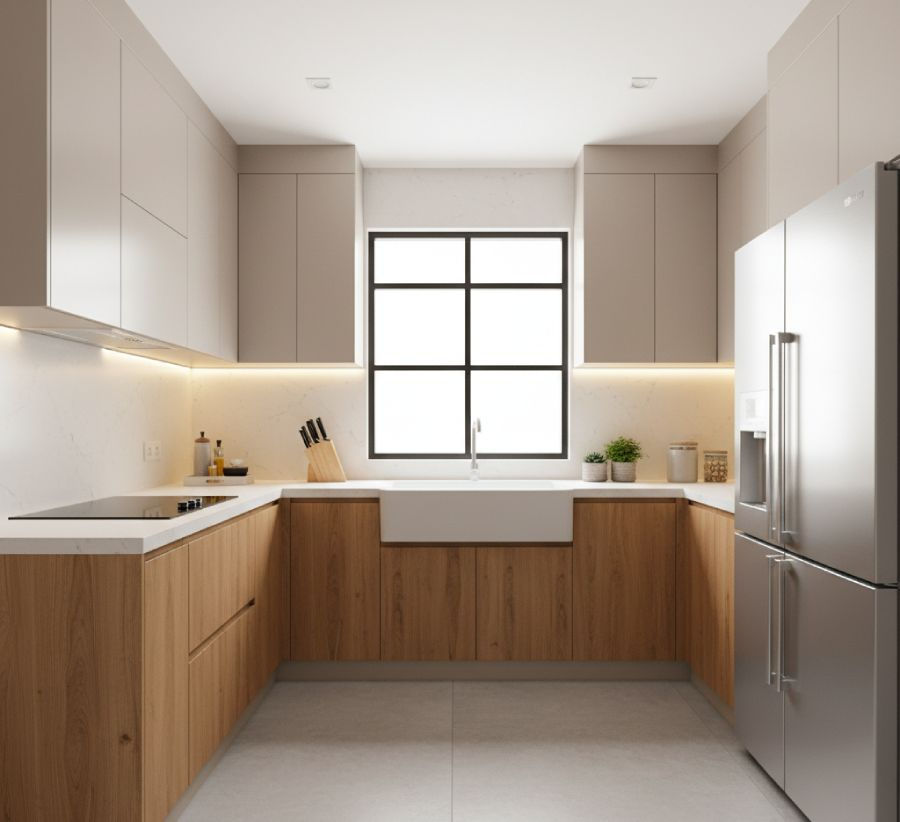
🔹 U-Shaped Kitchen

Offers maximum counter space and storage. Ideal for larger homes.

🔹 Parallel (Galley) Kitchen

Perfect for compact apartments. Efficient and easy to maintain.

🔹 Island Kitchen

Great for open-plan homes. Adds prep space and a modern touch.

👉 Tip: Always design around your real cooking routine — not just what looks good in photos.

2️⃣ Materials Explained (What Actually Lasts?)

Indian kitchens face heat, moisture, and heavy usage. Choosing the right material saves you from repairs later.

✔ Cabinet Base Materials

  • BWR Plywood – Water-resistant and durable

  • Marine Plywood – High moisture resistance

  • HDHMR Boards – Strong and termite-resistant

✔ Shutter Finishes

  • Laminate (Matte/Glossy) – Budget-friendly and durable

  • Acrylic – High-gloss, premium look

  • PU Finish – Smooth, paint-like luxury finish

✔ Countertops

  • Granite – Durable and heat-resistant

  • Quartz – Low maintenance and modern look

Quality materials may cost more initially but reduce long-term maintenance expenses.

3️⃣ Storage Planning Matters More Than Size

A well-planned 8×10 kitchen can function better than a poorly planned large one.

Must-have storage features:

  • Deep drawers instead of shelves

  • Pull-out pantry units

  • Corner carousel systems

  • Tall units for bulk grocery storage

  • Cutlery and utensil organizers

Smart storage keeps the countertop clutter-free and makes cooking easier.

4️⃣ Lighting & Ventilation Planning

Layer your lighting for better functionality:

  • Ceiling lights for overall brightness

  • Under-cabinet LED strips for task lighting

  • Soft ambient lights for warmth

Proper ventilation with a quality chimney and airflow planning is essential for Indian cooking styles.

5️⃣ Modular Kitchen Cost Breakdown (India)

Costs vary depending on size, materials, and brand. Approximate 2026 pricing:

  • Basic Modular Kitchen: ₹1.2 – ₹1.8 lakh

  • Mid-Range Kitchen: ₹2 – ₹4 lakh

  • Premium Kitchen: ₹5 lakh+

What affects the cost?

  • Material quality

  • Hardware (soft-close hinges, channels)

  • Finish type

  • Accessories and storage units

  • Appliances

👉 Investing in good hardware is always worth it — it impacts daily comfort.

6️⃣ Common Planning Mistakes to Avoid

❌ Ignoring ventilation❌ Choosing looks over functionality❌ Not planning appliance placement early❌ Compromising on cabinet material❌ Underestimating storage needs

Avoiding these mistakes ensures your kitchen lasts 10–15 years comfortably.

Final Thoughts

A modular kitchen is a long-term investment. Focus on layout efficiency, durable materials, smart storage, and realistic budgeting. When planned correctly, your kitchen won’t just look modern — it will make everyday life easier.


🔗Learn More About Kitchen Kaki


Planning your dream modular kitchen doesn’t have to feel overwhelming. With the right approach, you can create a space that is stylish, efficient, and built for everyday comfort. Whether you’re renovating or starting fresh, these simple tips will help you plan smarter from the beginning.

1. Start With Your Daily Cooking Needs

Before looking at designs, think about how you actually use your kitchen. Do you cook heavy meals daily or quick dishes occasionally? Your routine should guide the entire layout.

2. Get Showroom Inspiration — Not Copy-Paste

Visit showrooms or browse online for ideas, but avoid blindly copying designs. Your kitchen size, ventilation, and storage needs are unique.

3. Choose the Right Layout

Pick a layout that suits your space:

  • L-shaped for small to medium kitchens

  • Parallel for compact homes

  • U-shaped for maximum storage

  • Island for large open kitchens

The right layout makes everything else easier.

4. Plan the Work Triangle Early

Keep the stove, sink, and refrigerator within easy reach. This reduces unnecessary walking and makes cooking more efficient.

5. Upgrade to Deep Drawers

Replace traditional shelves with deep modular drawers. They offer better visibility, smoother access, and smarter organization.

6. Use Vertical Space Wisely

Tall units, overhead cabinets, and pull-out pantries help you store more without crowding the kitchen.

7. Pick Durable Materials

Indian kitchens face heat, moisture, and heavy usage. Prefer:

  • BWR or marine plywood

  • Moisture-resistant boards

  • Quality laminates or acrylic finishes

  • Quartz or granite countertops

Good materials save repair costs later.

8. Don’t Ignore Ventilation

Install a good chimney and ensure proper airflow through windows or exhaust fans. A well-ventilated kitchen stays cleaner and fresher.

9. Layer Your Lighting

Combine:

  • Task lighting (under cabinets)

  • Ceiling lighting

  • Ambient or accent lighting

Proper lighting improves both function and mood.

10. Work With Experienced Designers

Finally, partner with professionals who understand real-life kitchen use. Experienced teams (like Kitchen Kaki) focus on practical layouts, quality hardware, and personalized solutions that truly work.

Final Thoughts

Your dream modular kitchen isn’t just about glossy finishes — it’s about smart planning that makes everyday cooking easier. Focus on layout, storage, materials, and usability first. When the foundation is right, style naturally follows.


🔗 Learn More About Kitchen Kaki


If you’ve ever walked into a kitchen that looked beautiful but felt frustrating to cook in, you already understand the difference between design and smart design. A glossy finish and trendy colors might catch your eye, but what truly defines a great kitchen is how it supports your everyday life. That balance between practicality and style is where Kitchen Kaki has quietly built its reputation.

The first secret? They design around how you cook, not just how the kitchen looks in photos.

Every family has different habits. Some cook elaborate meals twice a day. Some need quick breakfast setups for rushed mornings. Others need extra storage for bulk groceries or festival cookware. Instead of forcing a fixed template, the team at Kitchen Kaki Kitchen Studio studies movement patterns inside the space. Where do you chop? Where do you wash? Where do you reach most often? The layout is built around these answers.

The result is a well-planned work triangle — stove, sink, and refrigerator positioned within comfortable reach. This reduces unnecessary steps and makes cooking feel smoother and less exhausting. It may sound simple, but correcting these small inefficiencies can completely change your relationship with the kitchen.

The second secret lies in intelligent storage.

Pull-out pantries, deep drawers instead of awkward shelves, tall units with internal organizers, and corner carousel systems ensure that no space is wasted. Traditional carpenter-made kitchens often leave dead corners or hard-to-reach cabinets that become storage black holes. Modular planning eliminates that problem. Everything has visibility. Everything has purpose.

And then comes the part most people underestimate — hardware quality.

Soft-close drawers, sturdy hinges, smooth channel systems, and durable materials may not be flashy, but they define long-term comfort. A drawer that glides effortlessly for years without jamming is not a luxury; it’s thoughtful engineering. These small details create a quiet, stress-free environment where you don’t feel irritation building up over time.

Style, however, is never sacrificed.

Kitchen Kaki blends neutral palettes, warm wood finishes, acrylic gloss, matte laminates, and quartz countertops in combinations that feel modern yet timeless. Under-cabinet lighting adds warmth. Handleless shutters create a clean silhouette. The aesthetic feels premium without being overwhelming.

Most importantly, the design doesn’t feel copied from a catalogue. It feels personal.

That’s the real secret. A stylish kitchen without practicality becomes exhausting. A practical kitchen without style feels uninspiring. Kitchen Kaki focuses on the intersection of both — where efficiency meets elegance.

Because at the end of the day, a kitchen shouldn’t just look good in pictures. It should make everyday cooking easier, calmer, and genuinely enjoyable.


🔗 Learn More About Kitchen Kaki


© 2035 by Annabelle. Wix

LET'S TAKE IT TO THE NEXT LEVEL

Thanks for submitting!

bottom of page