top of page
Modern Indian Home Vibe.jpg
Search

Many homeowners assume that building a modular kitchen automatically means a huge investment. In reality, a well-planned kitchen can be both practical and budget-friendly. With the right planning, material choices, and layout decisions, it is possible to design a kitchen that looks modern while staying within a reasonable budget. Today, many families are choosing affordable modular kitchen designs that focus on functionality and durability instead of unnecessary luxury.

The first step in building a cost-effective kitchen is selecting the right layout. Simple layouts such as straight or L-shaped kitchens are usually more budget-friendly because they require fewer cabinets and less complex installation. These layouts also work well in compact homes and apartments where space needs to be used carefully. A smart layout ensures smooth movement between the sink, stove, and refrigerator, which improves daily efficiency.

Material selection is another important factor that affects overall cost. While there are many premium options available, practical materials can still deliver long-lasting performance. For example, BWR-grade plywood is commonly used in modular kitchens because it offers good resistance to moisture while remaining affordable. For countertops, granite is often preferred because it is durable, heat-resistant, and widely available in different price ranges.

Storage planning also helps control the budget. Instead of adding every possible accessory, it is better to focus on features that will actually be used daily. Deep drawers for utensils, basic pull-out baskets for groceries, and a tall cabinet for storage are often enough for most households. Avoiding unnecessary add-ons helps keep the kitchen organized without increasing costs.

Lighting and ventilation should also be considered during the planning stage. Installing a good chimney helps manage smoke and grease produced during cooking, which protects cabinet finishes over time. Simple under-cabinet LED lighting can also improve visibility on the countertop and add a modern touch without requiring a large budget.

Another useful approach is comparing multiple quotations before finalizing a design. Different suppliers may offer varying prices for similar materials or layouts. Taking time to review options helps homeowners understand where they can save money without compromising on quality.

Affordable kitchen design is not about choosing the cheapest materials or skipping important features. Instead, it is about making practical decisions that balance cost, durability, and functionality. When planned carefully, a modular kitchen can provide a modern and organized cooking space without putting unnecessary pressure on the budget.

In the end, the goal of any kitchen is to make daily life easier. By focusing on efficient layouts, durable materials, and essential storage, homeowners can create a kitchen that looks good, works well, and remains reliable for many years.


🔗Learn More About Kitchen Kaki
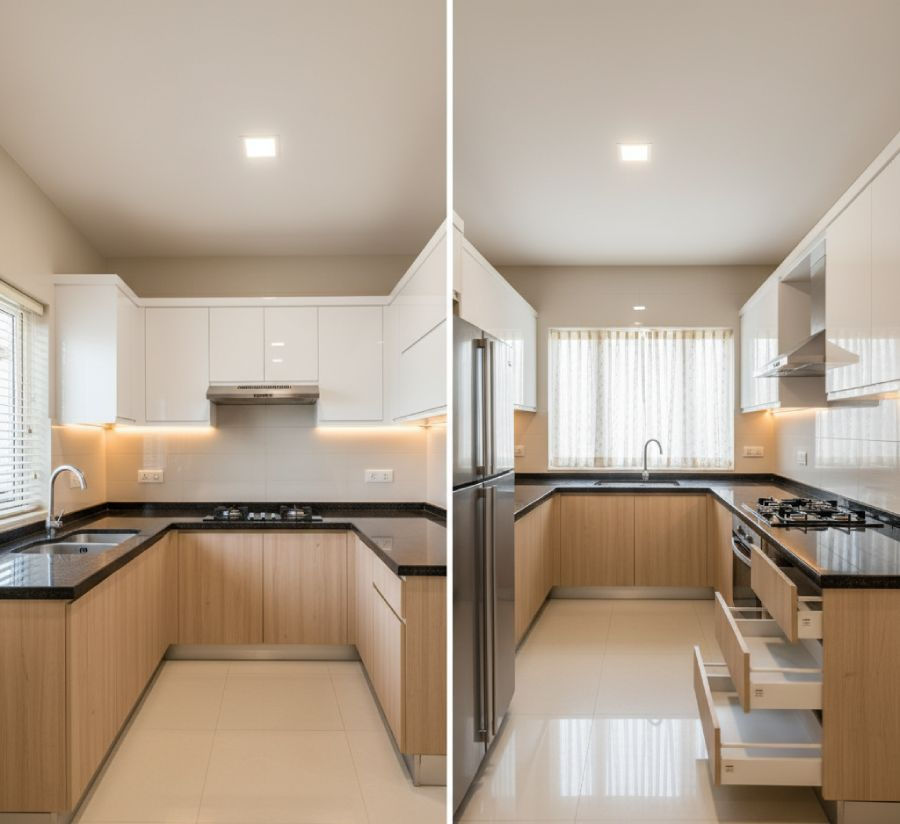


A kitchen today is more than a cooking space — it’s the heart of daily living. From morning chai routines to late-night snack breaks, your kitchen supports countless small but meaningful moments. That’s why planning a modular kitchen requires more than choosing colors and cabinets. It demands smart thinking, practical design, and long-term vision.

Start with a Functional Layout

The layout decides how smoothly your kitchen works. L-shaped kitchens are perfect for compact homes, while U-shaped or parallel layouts suit larger spaces. The key is maintaining a proper work triangle between the sink, stove, and refrigerator. When movement feels natural, cooking becomes effortless.

Focus on Smart Storage

Indian kitchens need efficient storage. Deep drawers for utensils, tall pantry units for groceries, corner carousel systems, and overhead cabinets help maximize space. Instead of cluttered countertops, invest in organized internal accessories that keep everything within reach.

Choose Materials That Last

Durability should never be compromised. Marine plywood or BWR-grade plywood ensures moisture resistance. Good-quality hinges and soft-close channels increase lifespan. For countertops, granite remains one of the most reliable choices due to its heat resistance and strength.

Lighting and Ventilation Matter

Proper ventilation with a powerful chimney keeps smoke and odors under control. Combine this with task lighting under cabinets and warm ambient lighting to create a balanced, welcoming atmosphere.

Plan Your Budget Wisely

A modular kitchen is an investment. Instead of focusing only on appearance, evaluate material quality, hardware, and warranty. Before finalizing, always compare options and check pricing carefully to ensure you’re getting value for money without compromising durability.

🔗Learn More About Kitchen Kaki


There was a time when kitchens were designed once and left untouched for twenty years. Heavy cement slabs, fixed shelves, and random storage spaces were considered normal. But lifestyles have changed. Families cook differently, shop differently, and even spend time differently in their kitchens.

Today, a kitchen is not just about cooking. It’s about comfort, efficiency, and smart planning. That’s why modular kitchens are quickly becoming the preferred choice in Indian homes.

Function First, Always

The biggest shift in kitchen design is the focus on functionality. A beautiful kitchen that makes daily cooking stressful is not a good design.

Modern planning follows ergonomic principles like the “work triangle,” a concept strongly recommended by the National Kitchen and Bath Association. The idea is simple — keep the sink, stove, and refrigerator within comfortable reach to reduce unnecessary movement.

In Indian households, where cooking involves multiple steps and ingredients, this layout becomes even more important. A well-planned modular kitchen saves time and effort every single day.

Storage That Matches Indian Cooking Habits

Indian kitchens handle more utensils, more ingredients, and more bulk storage than many Western setups. From heavy iron kadais to large atta containers, storage needs are unique.

Instead of open shelves that collect dust and oil, modular kitchens offer:

  • Deep drawers for heavy cookware

  • Tall pantry units for grocery storage

  • Organized sections for cutlery and spices

  • Corner solutions to avoid wasted space

Platforms like Houzz consistently highlight how homeowners now prioritize organized storage over decorative excess.

Smart storage reduces clutter — and clutter-free kitchens feel bigger and cleaner.

Durability Matters More Than Trends

Trends come and go. Matte black cabinets, glossy acrylic finishes, bold colors — they may look exciting today but can feel outdated in a few years.

Neutral shades, practical layouts, and durable materials stand the test of time. Marine plywood or BWR-grade plywood for cabinet structure, quality hinges and channels, and reliable countertops like granite ensure longevity.

A modular kitchen is an investment. Cutting corners on materials often leads to repairs within a few years, which costs more in the long run.

Ventilation and Lighting: The Silent Game Changers

Indian cooking involves tadka, frying, and heavy masalas. A strong suction chimney is not a luxury — it’s essential. Without proper ventilation, cabinets may discolor and surfaces become greasy over time.

Lighting also plays a huge role. Under-cabinet LED strips improve visibility and enhance the overall look. Layered lighting creates warmth and functionality at the same time.

Small details like these make a noticeable difference in daily use.

Budget Smartly, Not Emotionally

It’s easy to get carried away in showrooms. Fancy accessories and imported finishes look tempting. But smart budgeting focuses on essentials first:

  • Structural material

  • Hardware quality

  • Countertop durability

  • Ventilation system

Accessories can always be added later. Core structure cannot.

Final Thoughts

Smart modular kitchens are not about luxury — they’re about better living. When layout, storage, durability, and lighting come together thoughtfully, the kitchen becomes a space that supports your routine instead of complicating it.

As Indian homes continue to evolve, kitchens are becoming more efficient, organized, and visually balanced. And that’s not just a design trend — it’s a practical upgrade for modern living.

🔗Learn More About Kitchen Kaki


© 2035 by Annabelle. Wix

LET'S TAKE IT TO THE NEXT LEVEL

Thanks for submitting!

bottom of page